Showing posts with label ceremony. Show all posts

Sunday, 14 December 2014

Relations and Relationships (2) | Love, Marriage and Commitment


The stereotypical family – as described in my last blog entry (heterosexual couple and their biological children) – is sometimes referred to by sociologists (and others) as the ‘cereal packet family’. That is the family most often depicted as ‘normal’ and ‘natural’ (words I question and challenge), not least in social policy and through media representations such as adverts. We could just as easily refer to this family type as the gravy boat family or the washing powder family. . . I could go on. In addition to the rigid structure at play here watching British TV we could also often be forgiven for believing that white, able bodied people are the only ones who shop. Difference and diversity then – both in terms of family construction and social stratification – are often missing from these images. At this time of year a dominant image is the ‘Family Christmas’. However, for some a representation of Diwali, Hanukkah, or indeed no festival at all, would be much more appropriate. This is just one example of cultural difference for in reality not only are there many different family forms but also different family practices; different ways of doing family life (Morgan 1996). Furthermore, ‘kinship’ is much more fluid than traditional conceptions and current policy makers often imply. So affection and obligation towards others is not solely, or even, based on blood ties or marriage vows.
 
Private family life has long been pictorially displayed through, for example, cave drawings, art and photography. The growth of family photography as a social practice began with the professional production of the family portrait in photos such as this and later shifted to an amateur social activity through which ‘the family’ recorded itself. The family album is both very private and yet historically has conformed to the rigidly standardised cultural form and consisted of visual memories that record special times and positive emotions, happy times and events. Facebook and similar (including blogs such as this) subvert some previous conventions as our personal photographs and albums become permanently public for all to see.  


Morgan, D. H. (1996) Family Connections Cambridge: Polity


Saturday, 1 November 2014

Black for a Funeral, White for a Wedding, Pink for a Girl and Blue for a Boy | Clothes, Tradition, Respect and Celebration

Even today some people believe that the most appropriate colour clothes to wear at a funeral has something in common with the myth about early Henry Ford cars: any colour as long as it’s black. One explanation given is that black clothes at a funeral denote respect. Respect is defined as regard for someone’s feelings, wishes or rights and/or admiration for their achievements, qualities and abilities. This doesn’t really make sense then unless the person that died was a particular lover of black clothes or the celebration of their life involves some reference to black. When asked people might also say that this is the way it has always been.  But, like most traditions, this one is historically and culturally specific, although there are different arguments as to when black became the funeral colour of choice with some arguing for the Roman era and others for the middle-ages.

Many argue that the original of the ‘white wedding’, denoted by the white (or ivory, eggshell or ecru) dress worn by the bride, should be credited to the wedding of Queen Victoria for those of the highest classes and the end of the second world war for others. Other sources cite the bible as containing the first such reference. Whenever the tradition began and whether or not the white dress and veil was originally associated with sexual purity, some women still worry about the appropriateness of white as their choice if, for example, the marriage is a second one.

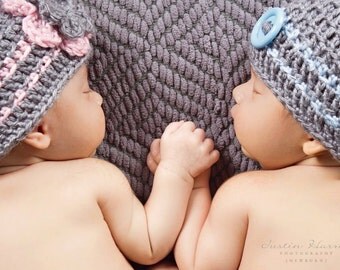
So what about pink clothes for a girl and blue ones for a boy? This was probably introduced in the mid-19th century and is, like black for funerals and white for wedding dresses, the norm in some societies but not in others.

Sociologists, of which I am one, are concerned with norms and values in society and how our behaviour is influenced by traditional, law, social policy, what the media tells us and so on. We are also interested in the way people present themselves differently in different social situations and how this relates to said norms and values. With this in mind, although it might be acceptable to sit and watch telly in our pyjamas, it’s probably not a good idea to attend a job interview in them. And although we might wear a suit or a best dress if invited to Buckingham palace it’s unlikely we’d wear the same for a trip to the pub.  


And yet there have been many changes with reference to dress. Theatre goers attend in both evening dresses and jeans and many of the traditional gender differences (not just in relation to colour) in clothing have been challenged in recent years. Similarly, we no longer need to pick what to wear to a funeral or a wedding or a naming in line with what people have always done or in terms of what others might think and how they might judge us. A bespoke ceremony includes individual, even unique, clothing; whether this means wearing a football strip to the funeral of a sports fan; the wedding party and guests dressing as vampires on the big day or a sister and brother at a naming ceremony dressed as supergirl and batboy. In fact, there’s actually nothing wrong with sleepwear at a funeral, and Levi’s or posh frocks at a wedding or a naming. So, if you want me to, maybe I’ll officiate at your ceremony . . . wearing pink (or blue) pyjamas.